Electrical code updates affect how homes are wired, protected, inspected, and upgraded. For homeowners, the most important takeaway is simple: newer code requirements are designed to reduce shock hazards, electrical fires, overloads, equipment damage, and unsafe installations as homes use more power than ever before.
You do not need to memorize the electrical code to make smart decisions about your home. However, understanding the major areas where codes continue to evolve can help you recognize outdated wiring, ask better questions during renovations, and know when it is time to call a licensed electrician. This is especially important in New Hampshire, Massachusetts, Maine, and Vermont, where many homes include older electrical systems, additions, finished basements, standby generators, and modern high-demand appliances all connected to infrastructure that may not have been designed for today’s usage.
Why Electrical Code Updates Matter for Homeowners
Electrical codes exist to establish minimum safety standards for installations. They are not just paperwork for inspectors. They influence where outlets are installed, how circuits are protected, how panels are configured, how generators are connected, and how new technologies such as EV chargers are safely integrated into a home.
The National Electrical Code is updated on a regular cycle, but adoption and enforcement can vary by state, municipality, project type, and local authority. That means a home may be safe to occupy while still having older electrical components that would not meet current standards if newly installed today.
For homeowners, electrical code updates are most relevant when you are:
- Renovating a kitchen, bathroom, basement, garage, or addition
- Upgrading an electrical panel or service
- Installing a generator, EV charger, hot tub, heat pump, or major appliance
- Buying or selling a home
- Repairing damaged, outdated, or overloaded wiring
- Correcting issues found during an electrical inspection
In many cases, existing electrical systems are not automatically required to be upgraded simply because the code changes. But when new work is performed, that work typically needs to meet the applicable standards enforced in that area. A qualified electrician can explain what applies to your specific project.
Greater Emphasis on GFCI Protection
One of the most important areas of electrical code updates involves ground-fault circuit interrupter protection, commonly called GFCI protection. A GFCI device helps protect people from electric shock by shutting off power quickly when it detects current leaking from the intended path.
Homeowners commonly associate GFCI outlets with bathrooms and kitchens, but modern code requirements have expanded GFCI protection into more areas where moisture, grounded surfaces, or outdoor exposure can increase shock risk.
Depending on the project and applicable local code, GFCI protection may be relevant in areas such as:
- Bathrooms
- Kitchens and countertop areas
- Garages
- Basements and crawl spaces
- Laundry areas
- Outdoor receptacles
- Utility spaces
- Areas serving pools, spas, or similar equipment
Older homes throughout New England often have standard outlets in locations where GFCI protection would now be expected during new work or renovation. If your home has unprotected outlets near sinks, concrete floors, unfinished basement areas, or exterior locations, it is worth having them evaluated.
Important safety note: A GFCI outlet that trips repeatedly is not an inconvenience to ignore. It may be warning you about moisture, damaged wiring, a faulty appliance, or an unsafe circuit condition.
Expanded Use of AFCI Protection
Arc-fault circuit interrupter protection, known as AFCI protection, is another major focus of modern residential electrical safety. AFCI devices are designed to detect dangerous arcing conditions that may occur when wiring is damaged, loose, pinched, overheated, or deteriorating.
An electrical arc can generate intense heat and may contribute to fire risk. AFCI protection helps reduce that risk by shutting down the circuit when certain hazardous arc patterns are detected.
Homeowners may encounter AFCI protection during panel upgrades, branch circuit additions, bedroom renovations, finished basement projects, living area remodels, or whole-home rewiring. In many newer systems, AFCI protection is provided by specialized circuit breakers installed in the electrical panel.
Common signs that your home may benefit from a professional electrical evaluation include:
- Lights flickering when appliances turn on
- Warm outlets or switch plates
- Buzzing or crackling sounds from devices
- Frequent breaker trips
- Old, brittle, damaged, or spliced wiring
- Two-prong outlets or ungrounded circuits
AFCI technology does not replace good wiring practices. It works best as part of a properly installed, properly grounded, and correctly protected electrical system.
Electrical Panel Safety and Service Capacity
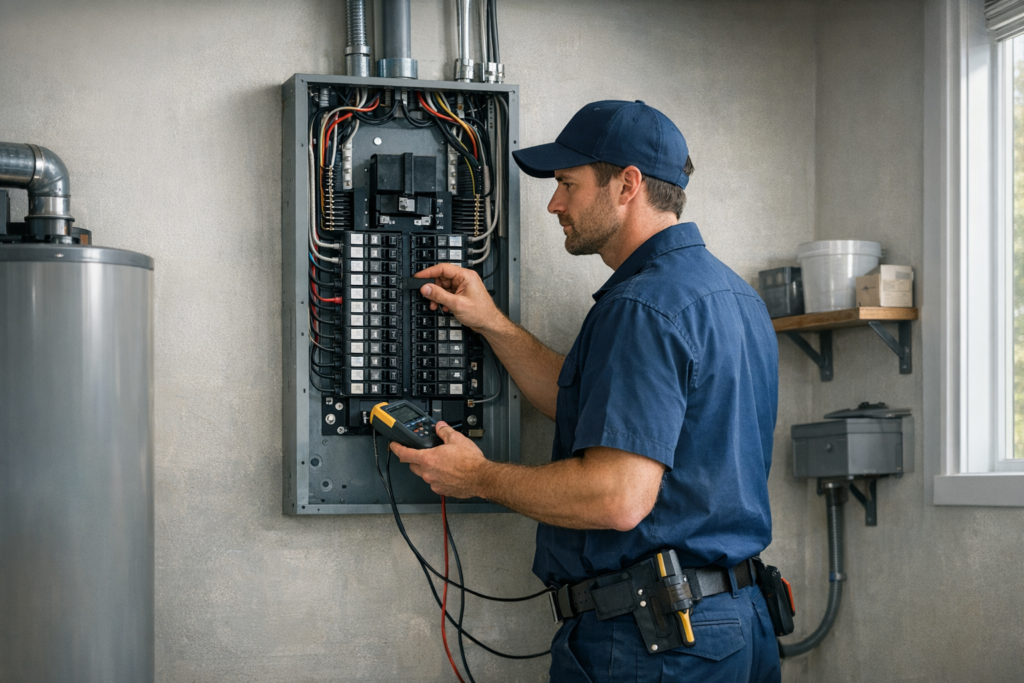
Many electrical code updates indirectly affect the electrical panel because the panel is the central point where circuits are protected, labeled, grounded, bonded, and managed. As homes add more equipment, panel condition and available capacity become increasingly important.
Older electrical panels may not have enough space or capacity for modern needs such as central air conditioning, heat pumps, induction cooking, EV charging, hot tubs, finished living spaces, workshop equipment, or standby generators. Some panels may also contain obsolete components, poor labeling, overcrowded wiring, double-tapped breakers, corrosion, or outdated grounding and bonding methods.
A panel upgrade may be recommended when:
- The existing panel is full or improperly extended
- Breakers trip frequently under normal use
- The home still uses fuses or an outdated panel style
- There are signs of overheating, rust, water intrusion, or burning
- A major new electrical load is being added
- The service size is insufficient for current or planned usage
Panel work should always be performed by a licensed electrician. It involves service equipment, grounding, overcurrent protection, utility coordination in some cases, and code-compliant installation practices that directly affect fire and shock safety.
Safer Outdoor Electrical Installations
Outdoor electrical systems face weather, temperature swings, moisture, snow, ice, and physical wear. In New Hampshire, Massachusetts, Maine, and Vermont, exterior electrical components must be able to perform safely through harsh winters and wet seasonal conditions.
Electrical code updates have continued to emphasize safer outdoor receptacles, weather-resistant equipment, proper covers, GFCI protection, burial methods, and wiring practices suited for exterior locations.
Homeowners should pay close attention to outdoor electrical safety if they have:
- Exterior outlets exposed to rain or snow
- Landscape lighting
- Detached garages or sheds with power
- Pools, spas, or hot tubs
- Outdoor kitchens or entertainment areas
- Holiday lighting circuits
- Exterior generator connections
Common problems include cracked outlet covers, missing weatherproof protection, extension cords used as permanent wiring, improperly installed underground wiring, and outdoor devices that are not rated for the environment. These issues can create shock hazards and should be corrected by a qualified professional.
Generator Connections and Transfer Equipment
Backup power is a major concern for New England homeowners. Winter storms, heavy snow, ice, wind, and downed power lines can leave homes without electricity for extended periods. Because of that, generator installation is one area where code-compliant wiring is especially important.
A generator must never be connected to a home in a way that can backfeed utility lines. Backfeeding is extremely dangerous for utility workers, neighbors, and the home itself. Proper generator installations use approved transfer equipment that isolates the home from the utility supply when generator power is in use.
Depending on the system, this may include a manual transfer switch, automatic transfer switch, inlet connection, interlock equipment where permitted, load management, dedicated circuits, or a permanently installed standby generator system.
When planning generator work, homeowners should consider:
- Which circuits need backup power
- Whether the generator can support the intended electrical load
- Safe placement and ventilation for the generator
- Proper transfer equipment
- Surge protection and sensitive electronics
- Routine maintenance and testing
Generator wiring is not a do-it-yourself project. It must be installed with careful attention to safety, equipment ratings, grounding and bonding considerations, and applicable code requirements.
EV Charger Installations and Load Calculations
Electric vehicle charging is one of the most common reasons homeowners ask about electrical code updates. A Level 2 EV charger can add a significant load to a home’s electrical system, and not every panel has the available capacity to support one without evaluation.
Before installing an EV charger, a licensed electrician should review the service size, panel capacity, existing loads, circuit requirements, conductor sizing, overcurrent protection, charger location, and whether load management equipment is appropriate.
A proper EV charger installation may involve:
- A dedicated circuit
- Correct wire and breaker sizing
- GFCI considerations based on equipment and location
- Weather-rated equipment for exterior installations
- Permitting and inspection where required
- Panel upgrades or load management if capacity is limited
The biggest mistake homeowners make is treating an EV charger like a standard appliance. EV charging often operates for long periods, which makes correct installation, equipment selection, and load calculation essential for safety and reliability.
Surge Protection for Modern Homes
Modern homes depend on sensitive electronics, smart appliances, computers, HVAC controls, security systems, EV chargers, and connected home devices. Electrical code updates have placed increased attention on surge protection because electrical surges can damage equipment and shorten the life of expensive systems.
Surges can come from utility switching, lightning-related events, generator operation, large motors, or internal equipment cycling on and off. A whole-home surge protective device installed at the electrical panel can help reduce risk to the entire electrical system.
Point-of-use surge strips may still be useful for certain electronics, but they are not a substitute for correctly installed service-level protection. Homeowners investing in panel upgrades, generator systems, EV chargers, or major renovations should ask whether whole-home surge protection makes sense for their property.
Tamper-Resistant and Safer Receptacle Requirements
Tamper-resistant receptacles are designed with internal shutters that help prevent foreign objects from being inserted into outlet slots. They look similar to standard outlets but provide an added layer of protection, especially in homes with children.
Electrical code updates have made tamper-resistant devices common in many residential settings. During renovations, outlet replacements, or new wiring, homeowners may notice electricians installing these devices instead of older-style receptacles.
This is a good example of how electrical safety evolves. The outlet may look like a small detail, but modern receptacle design can reduce preventable hazards without changing how homeowners use their electrical system.
Kitchen, Laundry, and Appliance Circuit Changes
Kitchens and laundry areas continue to receive significant attention because they combine water, heat, heavy appliance loads, countertop equipment, and frequent daily use. Modern kitchens often include microwaves, dishwashers, disposals, refrigerators, range hoods, coffee stations, wine coolers, and small appliances that draw substantial power.
Code-compliant kitchen and laundry wiring may involve dedicated circuits, GFCI protection, AFCI protection, proper receptacle placement, appliance-specific wiring, and careful load planning. When older kitchens are remodeled, the electrical system often needs more than a few outlet replacements.
Common issues found in older homes include:
- Too few countertop receptacles
- Multiple appliances sharing overloaded circuits
- Ungrounded outlets
- No GFCI protection near sinks or countertop areas
- Improper extension cord use
- Outdated wiring behind cabinets or walls
If you are remodeling a kitchen or laundry room, involve an electrician early. Waiting until cabinets, countertops, or finished walls are installed can make code corrections more expensive and disruptive.
Grounding and Bonding Improvements
Grounding and bonding are among the most misunderstood parts of a residential electrical system. Grounding provides a path for fault current under certain conditions, while bonding connects metal parts so they remain at the same electrical potential. Together, they help protective devices operate properly and reduce shock hazards.
Many older homes have grounding systems that are incomplete, outdated, altered, or difficult to verify. Homeowners may see symptoms such as two-prong outlets, bootleg grounds, ungrounded three-prong receptacles, or inconsistent tester readings.
Grounding and bonding concerns often come up during:
- Panel replacements
- Service upgrades
- Generator installations
- EV charger installations
- Rewiring projects
- Home inspections
Because grounding and bonding affect the entire electrical system, they should be evaluated by a professional rather than guessed at with a plug-in tester alone.
Smoke, Carbon Monoxide, and Life Safety Wiring
Electrical code updates also affect life safety systems such as smoke alarms and carbon monoxide alarms. Requirements can vary based on the type of property, renovation scope, and local rules, but homeowners should understand that alarm placement, interconnection, power source, and backup capability matter.
Hardwired, interconnected alarms can provide an important safety advantage because when one alarm activates, others in the home can sound as well. This can be especially valuable in larger homes, multi-level homes, finished basements, and sleeping areas located far from mechanical equipment or kitchens.
If your alarms are old, disconnected, missing, painted over, chirping, or not properly located, schedule an electrical evaluation. Life safety devices should not be treated as an afterthought during renovations.
What Electrical Code Updates Mean During Renovations
Homeowners are often surprised to learn that opening walls, moving fixtures, adding outlets, or changing room use can trigger electrical updates within the affected area. A small remodeling project can reveal outdated wiring, missing grounding, unsafe splices, overloaded circuits, or previous do-it-yourself work that needs correction.
Renovation planning should include an electrical review before finalizing layouts. This helps determine whether you need new circuits, additional receptacles, lighting controls, appliance connections, ventilation wiring, panel space, or service capacity upgrades.
For general contractors, builders, and property managers, early coordination with an electrical contractor can reduce delays, failed inspections, change orders, and last-minute conflicts with finished materials.
Common Homeowner Mistakes to Avoid
Many electrical problems begin with good intentions but poor execution. Electrical work must be safe behind the walls, not just functional at the switch or outlet.
Avoid these common mistakes:
- Replacing breakers with larger sizes to stop nuisance tripping
- Using extension cords as permanent wiring
- Installing three-prong outlets on ungrounded circuits without proper correction
- Ignoring flickering lights, buzzing sounds, or warm devices
- Adding large appliances without a load assessment
- Covering junction boxes behind walls, ceilings, or cabinets
- Assuming older wiring is safe because it still works
- Attempting panel, generator, or EV charger work without a licensed electrician
If you are unsure whether an electrical installation is safe, stop using the affected circuit and call a qualified electrician. Electrical hazards can worsen over time and may not be visible from the surface.
How to Know Whether Your Home Needs Electrical Updates
You may not need a full electrical upgrade simply because codes have changed. However, certain warning signs indicate that your system should be inspected.
Schedule a professional electrical evaluation if you notice:
- Frequent breaker trips or blown fuses
- Burning odors near outlets, switches, or the panel
- Discolored outlets or switch plates
- Flickering or dimming lights
- Outlets that feel loose or do not hold plugs securely
- Two-prong outlets in living areas
- Old knob-and-tube, cloth-insulated, or deteriorated wiring
- Rust, moisture, or corrosion in the electrical panel
- A need for more circuits, more panel space, or higher service capacity
An inspection can help separate urgent safety issues from recommended upgrades and long-term improvements.
Work With a Licensed Electrical Contractor Before Making Changes
Electrical code updates are ultimately about protecting people, property, and electrical equipment. While homeowners benefit from understanding the major trends, applying the code correctly requires training, field experience, and knowledge of the standards enforced for the specific project location.
Electrical Constructors LLC provides residential, commercial, industrial, and new construction electrical services throughout New Hampshire, Massachusetts, Maine, and Vermont. From electrical troubleshooting and panel upgrades to generator installation, EV charger installation, rewiring, lighting, inspections, and preventative maintenance, our team helps property owners make safe, informed decisions.
If you are renovating, upgrading equipment, buying an older home, or concerned about outdated wiring, a professional electrical evaluation is the best place to start. The right improvements can make your home safer, more reliable, and better prepared for modern electrical demands.