A 200 amp service upgrade may be the right choice if your home has an older electrical service, frequent breaker trips, a crowded panel, or plans for high-demand equipment such as an EV charger, heat pump, hot tub, generator transfer equipment, or major renovation. The goal is not simply to install a larger panel. The goal is to make sure your home has safe, reliable electrical capacity for how you live now and how you expect to use power in the future.
Many homes throughout New Hampshire, Massachusetts, Maine, and Vermont were built before today’s electrical demands became normal. Older homes may have been designed around basic lighting, small appliances, and far fewer electronic devices. Today, the same home may need to support central air conditioning, workshop tools, home offices, induction cooking, standby power equipment, and electric vehicle charging. That is where a properly planned service upgrade can make a meaningful difference.
What Is a 200 Amp Electrical Service Upgrade?
A 200 amp electrical service upgrade increases the amount of electrical capacity available to a home by replacing or upgrading key service equipment. Depending on the property, this may include the meter equipment, service entrance conductors, grounding and bonding components, main electrical panel, breakers, and related connections.
In simple terms, electrical service capacity is the maximum amount of power your home can safely receive from the utility and distribute through the electrical panel. A 100 amp service may be adequate for some smaller or less power-intensive homes, but many modern households require additional capacity.
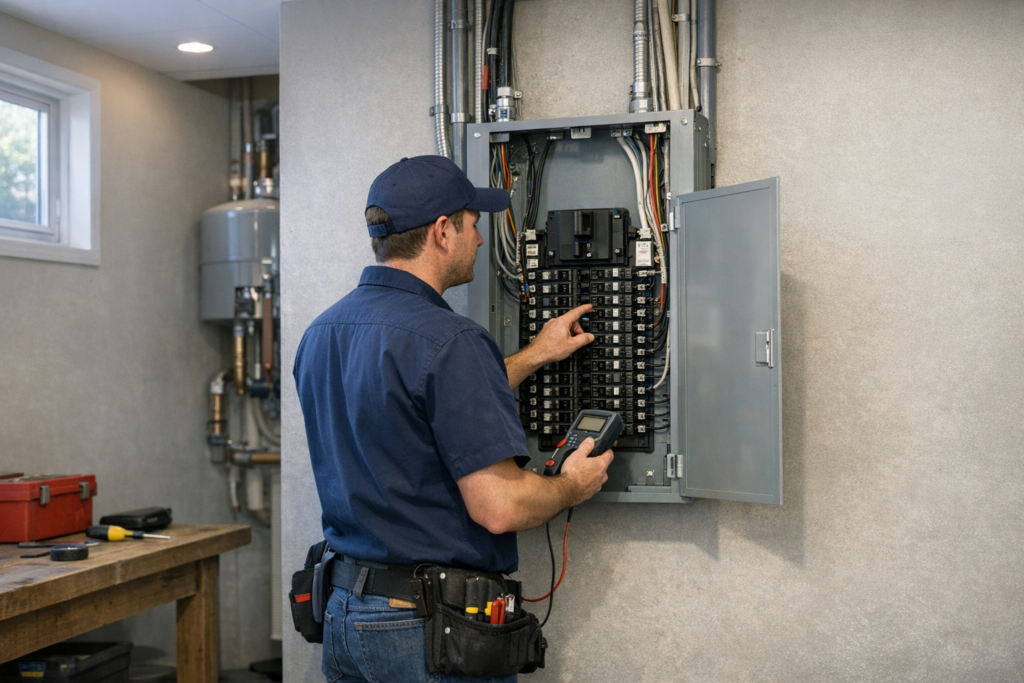
A service upgrade is more involved than swapping out a breaker panel. A qualified electrician must evaluate the full electrical service, coordinate with the utility when required, and ensure that the installation is appropriate for the home’s load, condition, and local inspection requirements.
Common Signs Your Home May Need More Electrical Capacity
Not every electrical problem means you need a 200 amp service upgrade. However, certain warning signs suggest your current electrical system may be undersized, aging, or no longer suitable for your home’s needs.
- Breakers trip frequently when multiple appliances or systems run at the same time.
- The electrical panel is full, overcrowded, or relies heavily on tandem breakers.
- Lights dim when large appliances, pumps, compressors, or HVAC equipment start.
- You are planning an addition, finished basement, garage workshop, or kitchen remodel.
- You want to install an EV charger, heat pump, hot tub, pool equipment, or standby generator.
- Your home still has an older fuse box or outdated service equipment.
- The panel shows signs of rust, overheating, corrosion, buzzing, or damaged breakers.
- You have limited room for new dedicated circuits.
If you notice burning odors, warm panel components, sparking, or visible damage, stop using affected circuits and contact a licensed electrician promptly. These are safety concerns and should not be ignored.
Why 200 Amp Service Is Common in Modern Homes
A 200 amp electrical service is common in many modern homes because it provides enough capacity for typical residential loads while allowing room for future electrical additions. It does not mean the home constantly uses 200 amps. It means the electrical service is designed to safely support a higher potential load when needed.
Modern homes often include more electrical equipment than older services were designed to handle. Common examples include electric ranges, clothes dryers, central air conditioning, mini-split systems, sump pumps, well pumps, home offices, security systems, smart home devices, and charging equipment for vehicles and tools.
For homeowners in New England, service capacity can also matter during seasonal extremes. Winter heating support systems, generator readiness, holiday lighting, dehumidifiers, sump pumps, and storm-related backup power needs can all increase the importance of a dependable electrical system.
When a 200 Amp Service Upgrade Makes the Most Sense
The best time to consider a 200 amp service upgrade is when your electrical needs are about to change significantly or when your existing service is already showing limitations. Planning ahead is usually safer, cleaner, and more cost-effective than reacting after the system becomes a bottleneck.
Before Installing an EV Charger
EV chargers can place a substantial demand on a home’s electrical system. Some homes can support an EV charger with the existing service, while others need a panel upgrade, load management, or a full service upgrade. A licensed electrician should perform a load evaluation before installation.
Before a Major Renovation or Addition
Kitchen remodels, home additions, finished basements, in-law spaces, and garage conversions often require new circuits. If your panel is already full or your service capacity is limited, upgrading before construction begins can prevent delays and rework.
Before Adding Electric Heating or Cooling Equipment
Heat pumps, ductless mini-splits, electric water heaters, and other efficient electric systems can reduce fuel use, but they must be supported by properly sized electrical infrastructure. A service evaluation helps determine whether your current system can handle the added load.
When Preparing for Generator Equipment
Many homeowners in New Hampshire, Massachusetts, Maine, and Vermont consider backup power because of winter storms, high winds, ice, and extended outages. Generator installations often involve transfer switches, interlock equipment, load management, and panel considerations. A service upgrade may be part of a broader preparedness plan.
What an Electrician Evaluates Before Recommending an Upgrade
A responsible electrician does not recommend a 200 amp service upgrade based on guesswork. The existing electrical system, current load, future plans, and physical installation conditions all matter.
During an evaluation, an electrician may review:
- The current service size and condition of the service equipment.
- The electrical panel brand, age, capacity, breaker condition, and available space.
- Existing major appliances and dedicated circuits.
- Expected future loads, such as EV charging, HVAC upgrades, or additions.
- Condition of grounding and bonding components.
- Service entrance wiring, meter equipment, and exterior connections.
- Clearance, accessibility, moisture exposure, and signs of corrosion.
- Whether the utility service and meter location can support the proposed upgrade.
This evaluation helps determine whether a full 200 amp service upgrade is necessary or whether another solution, such as a panel replacement, subpanel, circuit reconfiguration, or load management system, may be appropriate.
200 Amp Service Upgrade vs. Electrical Panel Upgrade
A panel upgrade and a service upgrade are related, but they are not always the same thing. A panel upgrade usually refers to replacing the breaker panel. A service upgrade typically involves increasing the home’s capacity and may require additional work beyond the panel itself.
For example, replacing an old 100 amp panel with a newer 100 amp panel may improve safety and reliability, but it does not increase the amount of power available to the home. A 200 amp service upgrade generally requires equipment rated for the higher capacity, properly sized conductors, utility coordination, and inspection.
This distinction matters because installing a larger panel does not automatically create more usable capacity. The entire electrical service must be evaluated as a system.
Safety Issues a Service Upgrade Can Help Address
A properly completed service upgrade can improve electrical safety by replacing aging, damaged, or undersized equipment. Older electrical systems may have loose connections, obsolete components, corrosion, inadequate grounding, or panels that no longer support the home’s needs.
Common safety-related concerns include:
- Overloaded circuits caused by increasing demand over time.
- Breakers that no longer operate reliably.
- Improperly added circuits or unapproved modifications.
- Damaged service entrance components exposed to weather.
- Panel corrosion from moisture or basement humidity.
- Insufficient grounding or bonding for modern electrical safety standards.
Electrical service work is not a DIY project. It involves utility power, service conductors, main disconnect equipment, grounding, and inspection requirements. Homeowners should always hire a qualified licensed electrician for this type of work.
How the Upgrade Process Typically Works
While every home is different, a 200 amp service upgrade generally follows a structured process. The details can vary based on the existing service, utility requirements, property layout, and local inspection procedures.
- Initial assessment: The electrician evaluates the existing electrical service, panel, loads, and future plans.
- Project planning: The scope is determined, including panel location, meter equipment, grounding work, and any related circuit needs.
- Utility coordination: Service upgrades often require coordination with the electric utility for disconnection, reconnection, or meter-related work.
- Permitting and inspection: Electrical work of this type commonly requires proper approval and inspection by the authority having jurisdiction.
- Installation: The electrician replaces or upgrades the required service components and verifies proper connections.
- Testing and labeling: Circuits are checked, the panel is labeled, and the system is reviewed for safe operation.
Because utility and inspection requirements can vary, it is important to work with an electrical contractor experienced in residential service upgrades throughout the region.
Important Planning Questions Before You Upgrade
A successful service upgrade should account for more than your current electrical problems. It should support the way your home may change over the next several years.
Before moving forward, consider these questions:
- Are you planning to buy an electric vehicle or install a Level 2 charger?
- Will you add a heat pump, central air, electric water heater, or other major appliance?
- Do you need capacity for a workshop, detached garage, pool, hot tub, or finished basement?
- Are you planning a renovation that will require new dedicated circuits?
- Do you want generator backup for selected circuits or larger household loads?
- Is your current panel difficult to access, poorly labeled, or located in a damp area?
- Do you want room for future circuits without overcrowding the panel?
Discussing these details early helps your electrician design a practical electrical system rather than simply replacing equipment with the minimum required setup.
Cost Factors That Affect a 200 Amp Service Upgrade
The cost of a 200 amp service upgrade depends on the home’s existing electrical system and the amount of work required. No two properties are exactly the same, especially in New England where homes range from newer construction to older and historic houses with unique access and wiring conditions.
Common factors that influence cost include:
- Current service size and condition.
- Whether the meter equipment must be replaced or relocated.
- Overhead versus underground utility service conditions.
- Panel location, accessibility, and available working space.
- Grounding and bonding upgrades.
- Number of circuits that need to be moved, corrected, or relabeled.
- Condition of existing wiring and any code corrections discovered during the project.
- Utility coordination, inspection requirements, and project complexity.
The lowest price is not always the best value. Electrical service equipment is central to the safety and reliability of your home. A thorough evaluation, clean workmanship, proper labeling, and careful planning are worth prioritizing.
Can You Upgrade the Panel Without Upgrading the Service?
In some cases, yes. A home may benefit from a new breaker panel even if the service capacity remains the same. This may make sense when the existing panel is outdated, damaged, poorly labeled, or lacks safe breaker compatibility, but the calculated electrical load does not require more capacity.
However, if the home needs more electrical capacity, replacing the panel alone may not solve the problem. The service conductors, meter equipment, main disconnect, grounding system, and utility supply must all be considered. An electrician can explain whether a panel replacement, subpanel, load management solution, or complete 200 amp service upgrade is the right approach.
Special Considerations for Older New England Homes
Older homes throughout New Hampshire, Massachusetts, Maine, and Vermont often require extra care during electrical upgrades. Many were built before modern appliance loads, home offices, EV charging, and backup power systems became common.
Older properties may have limited panel space, finished walls, stone foundations, tight basements, older grounding methods, or past electrical modifications completed over many decades. Some historic homes also require thoughtful planning to improve electrical capacity while minimizing disruption to finished spaces.
A careful electrician will look beyond the panel and consider the home as a whole. That includes service equipment, branch circuits, grounding, moisture conditions, and future access for maintenance.
How to Know If Your Home Is Ready for a 200 Amp Upgrade
Your home may be ready for a 200 amp service upgrade if your existing electrical infrastructure can be safely modified, the utility service can support the change, and the project can be completed in compliance with applicable requirements. Readiness is determined through an on-site evaluation, not by panel size alone.
A professional assessment can identify whether your home needs preparatory work, such as improving access, correcting unsafe wiring, updating grounding, relocating equipment, or coordinating utility changes. It can also help you avoid overspending if another solution would meet your needs safely.
The most reliable answer comes from a licensed electrician who can inspect the electrical system, discuss your plans, and provide a clear scope of work.
Why Work With Electrical Constructors LLC
Electrical Constructors LLC provides residential and commercial electrical services throughout New Hampshire, Massachusetts, Maine, and Vermont. Our team understands the practical challenges that come with service upgrades, from aging electrical equipment and older homes to modern power demands and severe New England weather.
Whether you are planning an EV charger, generator installation, renovation, panel replacement, or complete 200 amp service upgrade, working with an experienced electrical contractor helps ensure the project is planned correctly from the start.
If your home’s electrical system feels outdated, overloaded, or unprepared for your next project, schedule a professional evaluation. A properly designed service upgrade can improve safety, reliability, and long-term electrical capacity for years to come.